
Local Participation Guarantees Success for Your Artifact Show

Share this article

Native American Artifact/ Relic Event planning involves the process of organizing and coordinating all the necessary elements to make an event successful. It includes a wide range of tasks such as selecting the venue, acquiring a vendor list, setting a date that does not conflict with other shows, arranging for catering, and managing logistics such as transportation, security, and parking. With all that said, I think the single most important aspect is to involve local participation. Without local participation all you have is a room full of dealers swapping stories and rocks. Effective event planning requires good communication and coordination skills, as well as attention to detail and the ability to stay organized and focused. Some key steps in event planning include defining the purpose and scope of the event, creating a budget, identifying potential venues and vendors, developing a timeline and task list, and executing the plan while monitoring progress and adjusting as needed. Successful event planning requires a combination of creativity, problem-solving skills, and effective teamwork.

1. Advertising is a major key to success.  In order to increase foot traffic at your event remember the audience you want to reach lives in a 100 to 150 -mile radius of your event. Submit your event to local newspapers, radio stations and television news rooms in this radius area. To bring in younger people to our great hobby reach out to local historical societies, libraries, high schools, and higher education centers ask if you can post some fliers in these places to attract the future collectors of relics and artifacts. Boy Scout troops and Girl Scout troops should be informed of this event. I cannot express enough that we need the youth of America to get involved in our hobby. The best way to get this done is to advertise locally. There are other ways to get the word out as well. arrowheads.com provides a free calendar of events. At Arrowheads.com we also provide a space for paid ads on our main page. The Central States Archaeological Society also has a calendar of society sanctioned events.

2. If you are new to hosting, I would suggest creating a “run of show” to keep you on track.  This is simply some notes for you to carry either digitally or on paper to help you stay on track. Who is setting up tables? When are they being set up? Who is assigning the tables to the vendors?  What time is the catering arriving? Who will collect money from vendors and visitors to your event? Who is taking care of trash and table break down after the show? Will you be using an audio system? Test it to make sure it works prior to anyone arriving.

3. Set the objective: Start by determining the purpose of the artifact show event. What message or story do you want to convey to the audience? Is it to educate them on a particular culture or era, or is it to showcase collections of unique and rare artifacts? Will it be educational? Will it be for sales and trade? Or both?

4. Select a venue: Choose a venue that will accommodate the number of vendors you plan to invite to sell/display artifacts and the size of your audience. It is advised to set a date that does not conflict with other area artifact shows. Consider factors such as lighting, security, accessibility, parking, and nearby hotels for   dealers and guests when selecting a venue. Reach out to local hotels and see if you can get discounts on blocks of rooms.

5. Define the budget: Determine the budget for the artifact show event. This will help you decide on the number of artifact/relic vendors and display only tables to set up, the venue, marketing and advertising, and other expenses.

Ask vendors to prepay for table space. Plan accordingly. A show with dozens of empty tables due to vendors not showing up looks poorly attended. Getting paid up front helps ensure your vendors and display only attendees will be there.

6. Develop a marketing plan: Develop a marketing plan to promote the artifact show event. This is extremely important.  One method of social media is Arrowheads.com free events calendar. However, and this is very important to remember. To reach a local audience send information to local newspapers, radio stations and television stations. Contact boy scout troops, girl scout troops, high schools, colleges, local historical societies and libraries! Ask to have fliers posted on their bulletin boards. Another great idea is to place posters, and banners out in front of the venue to reach local audience. To repeat myself; without local participation all you have is a room full of dealers swapping stories and rocks.  

7. Hire staff: if this is to be a multi-day event consider hiring security or try to enlist some volunteer help from trusted fellow collectors.

8. Plan for the opening ceremony: Plan for an opening ceremony that will draw attention and interest to the event. Consider inviting archaeologists, local knowledgeable historian/collectors, or authenticators to speak at an opening ceremony.

9. Coordinate logistics such as loading and unloading zones, transportation, parking, and catering for the event.

10. Evaluate the event: After the event, evaluate its success and areas for improvement. Consider feedback from attendees, staff, and vendors to make improvements for future events.

 By advertising locally as mentioned above and following these steps, you can plan a successful artifact event that showcases your hobby and the collections of Native American artifacts that will help recruit, engage, and educate your audience.

For more information, please contact: Matt Dorso

Matt@Arrowheads.com

Matt (aka) Hoss Administrator/Communications Director Arrowheads.com

Recent Posts

By Kevin Jerome July 24, 2026
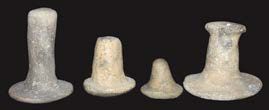
Explore the significance of Mississippian pottery trowels. Learn about their use in pottery-making & view our collection.
By tkxkuugb-ca June 29, 2026
Explore the Paleoindian Database for insights on Native American artifacts. Contact us for appraisals & collection support.
By tkxkuugb-ca May 16, 2026
Explore insights on Clovis tools & Scott Ashcraft's whistleblower case. Join the discussion on ethics in archaeology today!
By tkxkuugb-ca April 13, 2026
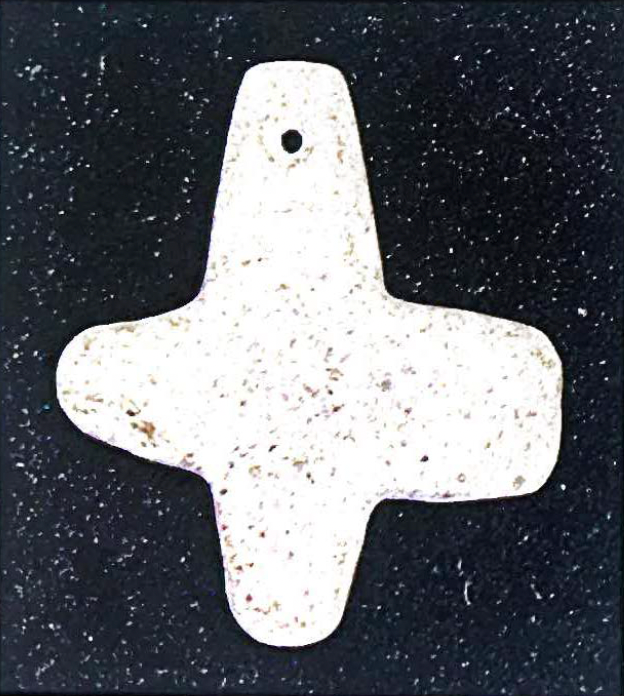
Learn about miniature Mississippian axe pendants' cultural significance. Contact us for appraisals & to buy authentic artifacts.
By Matt March 25, 2026
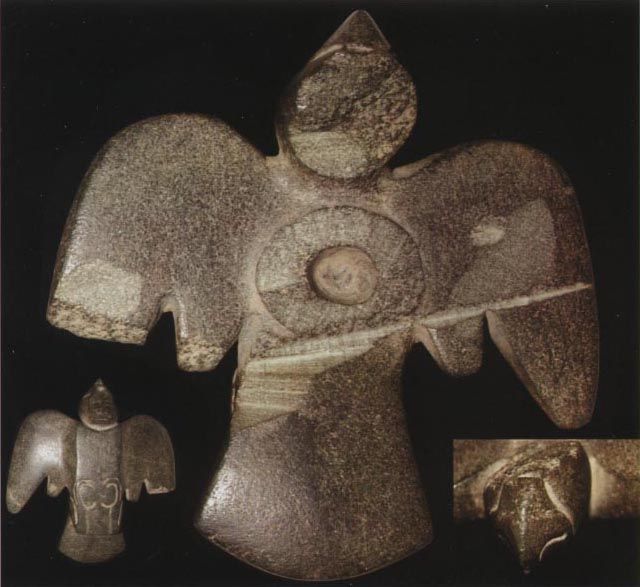
Explore the mystery of undrilled bird effigy pipes from TN. Learn about their significance & share your finds with us!
By tkxkuugb-ca March 20, 2026
Tune in to the Seven Ages Podcast to explore the Adena culture, Moundbuilders of the Ohio Valley. Join us for insights on Native American artifacts.
By Arrowheads March 20, 2026
Explore Gary Varient's passion for Native American artifacts. Join the community and share your collection today!
By Matt March 14, 2026
Learn to identify authentic arrowheads vs. reproductions. Consult experts for accurate appraisals and avoid costly mistakes.
By Matt March 3, 2026
Learn about the rare dugout canoe found in the Ohio River. Contact us for artifact appraisal & preservation guidance.
By tkxkuugb-ca February 21, 2026
Learn more about the Paleo American Odyssey in these articles.
Show More