
How to tell a Fake

Share this article

How can you tell if an arrowhead or Indian Artifact is a fake?

Pg.109, Vol.VI, No.4, 1969  “The Redskin”

Fakes come in two kinds, those that are sold; and those that sell them. And sometimes you can’t tell the last kind anything. Experience is the best way to tell a fake from a fine genuine relic, but then not everyone has such expe­rience with the relic in question.

Is there much faking going on? You bet there is and it didn’t start last week either! In fact, it started about 120 years ago when pioneer fanners began collecting those unusual stone items being brought to the surface by tilling the soil. Yes, the minute some­one starts to treasure something that is not abundant, someone else will make a copy of the same. Contrary to what some people think “that the fake business has died down, the fake business is bigger and better than ever, its just that the fakes are better made and more people are fooled”!

Right now, south of the border, hand craftsmen are manufacturing to specification reproductions of American Indian relics that would fool 99 out of 100 collectors. They are patterned from genuine relics now in museums or private collections. These reproductions are made by hand from the proper materials mined in this country and artificially aged and believe you me, you just can’t tell at a glance!

Fortunately, the good old fakers always slip up on a seemingly unim­portant detail somewhere and this is where the genuine is separated from the fake. So far all you’ve read is about what is happening. The follow­ing is common sense judgement on Indian relics; first if you don’t have experience in depth, secure a relic of the same kind and make a compari­son, but of course make sure you choose one that has been authenticat­ed and there is no doubt it is a genuine piece. Compare the workmanship, design, shape, material age and weight. Fakes never agree 100% with genuine relics, so somewhere there will be some differences. Don’t be mislead by too perfect a piece; you know that genuine hand made stone relics of the ancient Indian were never truly perfect! History is not totally valid proof either; some of the fakes now on the scene were in collections 50 years or more ago. There are pieces that won’t prove out that had labels back before the 1900’s. Remember that today’s new fakes will be pieces with history some 50 years from now. I sat in on an Indian Relic auction that had been owned by a collector who passed away in his 80’s and the first 18 lots were labeled and sold as Fakes. Some dozen col­lectors bought and paid good money for these items and not one piece was donated to our(GIRS)fake table. Do you suppose they are starting their own fake collection? Telling a fake isn’t easy, but if we take our time and learn what we are buying, we sure make it tough on the fakers and that’s what it’s all about anyway.

“Used by Permission of the Author” and originally published in American Indian Artifacts; Genuine or

Reproduction by Col. John F. Berner. Copyright © 2000 by American Antiquities, Inc.

The post How to tell a Fake appeared first on Arrowheads.com.

Recent Posts

By Kevin Jerome July 24, 2026
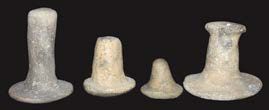
Explore the significance of Mississippian pottery trowels. Learn about their use in pottery-making & view our collection.
By tkxkuugb-ca June 29, 2026
Explore the Paleoindian Database for insights on Native American artifacts. Contact us for appraisals & collection support.
By tkxkuugb-ca May 16, 2026
Explore insights on Clovis tools & Scott Ashcraft's whistleblower case. Join the discussion on ethics in archaeology today!
By tkxkuugb-ca April 13, 2026
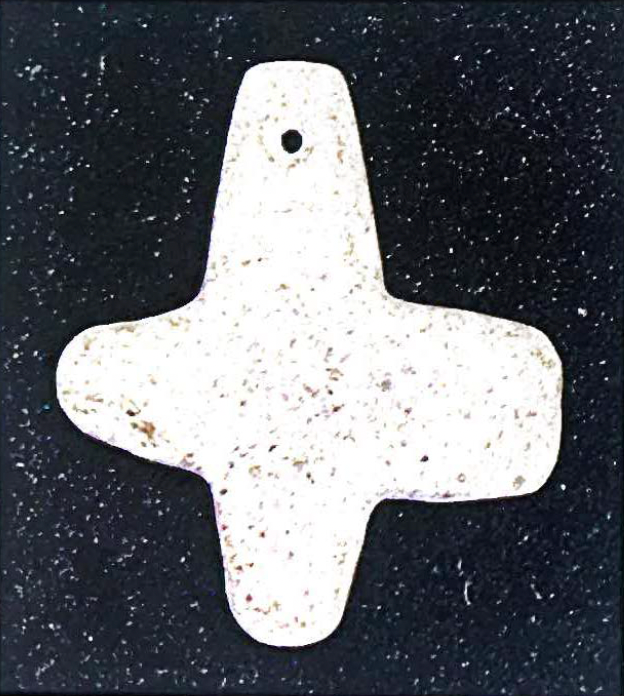
Learn about miniature Mississippian axe pendants' cultural significance. Contact us for appraisals & to buy authentic artifacts.
By Matt March 25, 2026
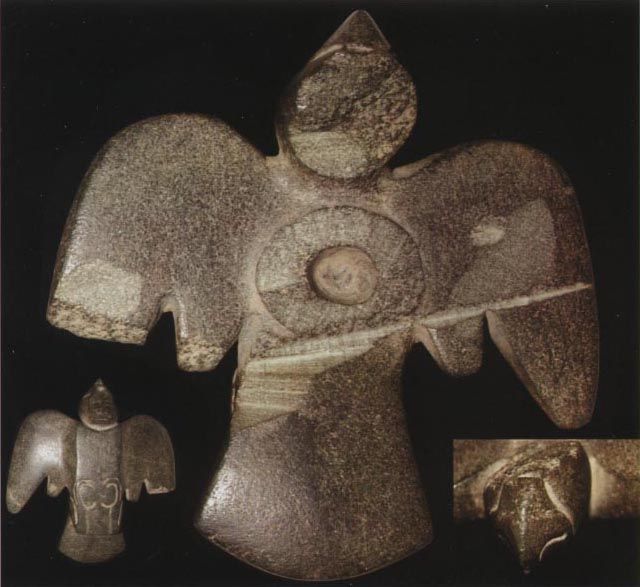
Explore the mystery of undrilled bird effigy pipes from TN. Learn about their significance & share your finds with us!
By tkxkuugb-ca March 20, 2026
Tune in to the Seven Ages Podcast to explore the Adena culture, Moundbuilders of the Ohio Valley. Join us for insights on Native American artifacts.
By Arrowheads March 20, 2026
Explore Gary Varient's passion for Native American artifacts. Join the community and share your collection today!
By Matt March 14, 2026
Learn to identify authentic arrowheads vs. reproductions. Consult experts for accurate appraisals and avoid costly mistakes.
By Matt March 3, 2026
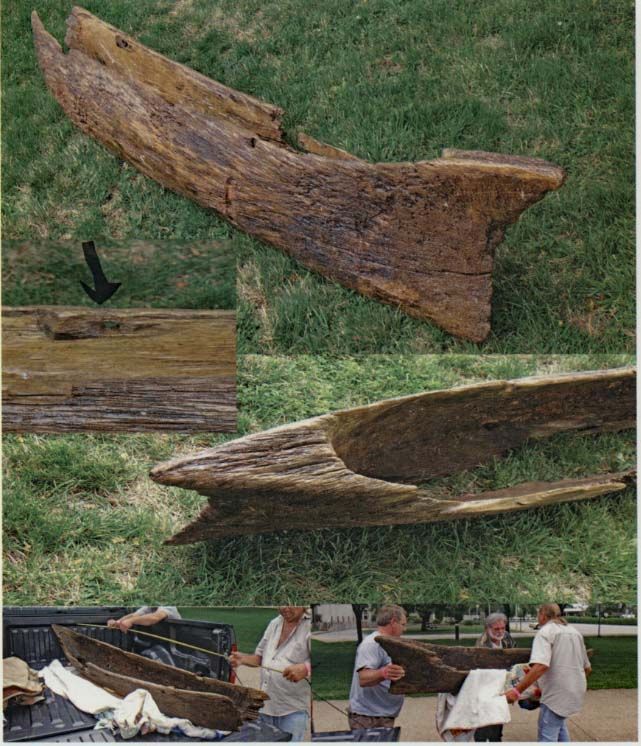
Learn about the rare dugout canoe found in the Ohio River. Contact us for artifact appraisal & preservation guidance.
By tkxkuugb-ca February 21, 2026
Learn more about the Paleo American Odyssey in these articles.
Show More