
Buyer Beware: A Guide to Buying Authentic Native American Artifacts

Share this article

By Matt Dorso – Knoxville, Tennessee

Caveat emptor ” is a Latin phrase meaning “let the buyer beware.” It reminds us that buyers ultimately carry the responsibility for understanding what they are purchasing. Careful research, asking the right questions, and using common sense are essential before completing any transaction.

When buying antiquities—whether online, at auction, or in a retail setting—the responsibility to verify authenticity, legality, and value rests with the buyer. Once a sale is finalized, problems that surface later are often difficult or impossible to resolve.

The following guidelines can help collectors avoid costly mistakes and make more confident purchases.


1. Research the Seller

• Check the seller’s ratings and feedback history.
• Look for an established reputation dealing in antiquities.
• Watch for complaints, disputes, or other warning signs from past buyers.


2. Authenticate the Item

• Request clear, detailed photographs from multiple angles.
• Ask for provenance or documentation when available.
• Consult experienced collectors, authenticators, or professional appraisers when in doubt.


3. Understand the Terms of Sale

• Read the platform’s policies regarding returns, guarantees, and refunds.
• Be aware of buyer’s premiums, shipping fees, or additional charges that may apply.


4. Verify Legality

• Confirm the artifact was legally obtained and can legally be sold.
• Understand laws regarding the sale, transport, or export of cultural artifacts.


5. Do Your Homework

• Research comparable artifacts to determine realistic market value.
• Examine the piece for signs of restoration, repair, or modern alteration that could affect value.


6. Ask Questions

• Contact the seller directly if anything is unclear.
• Ask about condition, origin, authenticity, and any known issues.


7. Use Secure Payment Methods

• Pay using secure and traceable methods that provide buyer protection.
• Avoid transactions requiring direct bank transfers or other non-secure payment arrangements.


A careful buyer is rarely a disappointed one. By following these steps and applying a healthy dose of skepticism, collectors can greatly reduce risk and make more informed decisions when purchasing antiquities.s online. Always remember the principle of caveat emptor to stay vigilant and cautious throughout the buying process.


Recent Posts

By Kevin Jerome July 24, 2026
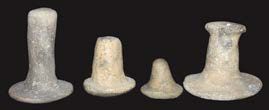
Explore the significance of Mississippian pottery trowels. Learn about their use in pottery-making & view our collection.
By tkxkuugb-ca June 29, 2026
Explore the Paleoindian Database for insights on Native American artifacts. Contact us for appraisals & collection support.
By tkxkuugb-ca May 16, 2026
Explore insights on Clovis tools & Scott Ashcraft's whistleblower case. Join the discussion on ethics in archaeology today!
By tkxkuugb-ca April 13, 2026
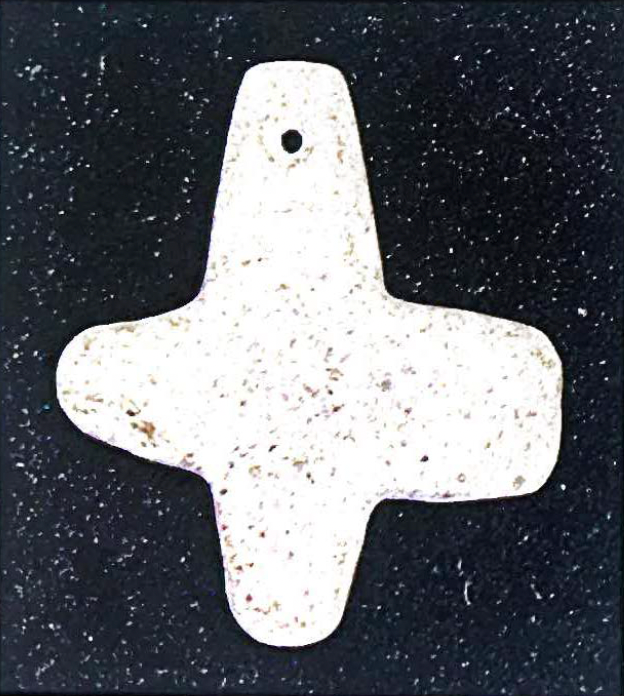
Learn about miniature Mississippian axe pendants' cultural significance. Contact us for appraisals & to buy authentic artifacts.
By Matt March 25, 2026
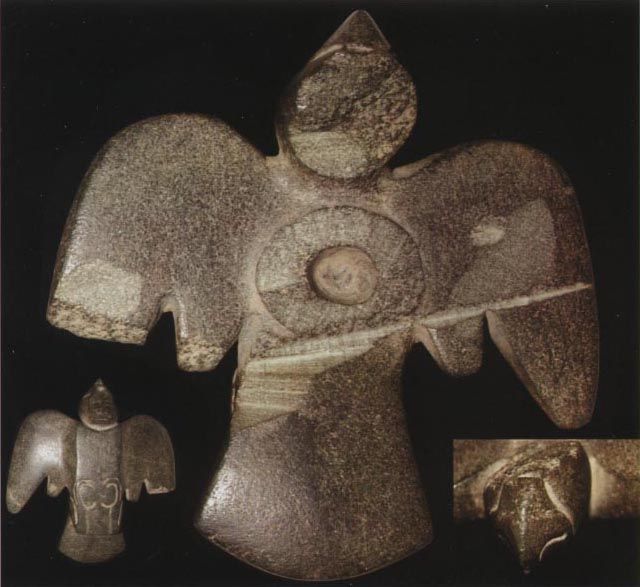
Explore the mystery of undrilled bird effigy pipes from TN. Learn about their significance & share your finds with us!
By tkxkuugb-ca March 20, 2026
Tune in to the Seven Ages Podcast to explore the Adena culture, Moundbuilders of the Ohio Valley. Join us for insights on Native American artifacts.
By Arrowheads March 20, 2026
Explore Gary Varient's passion for Native American artifacts. Join the community and share your collection today!
By Matt March 14, 2026
Learn to identify authentic arrowheads vs. reproductions. Consult experts for accurate appraisals and avoid costly mistakes.
By Matt March 3, 2026
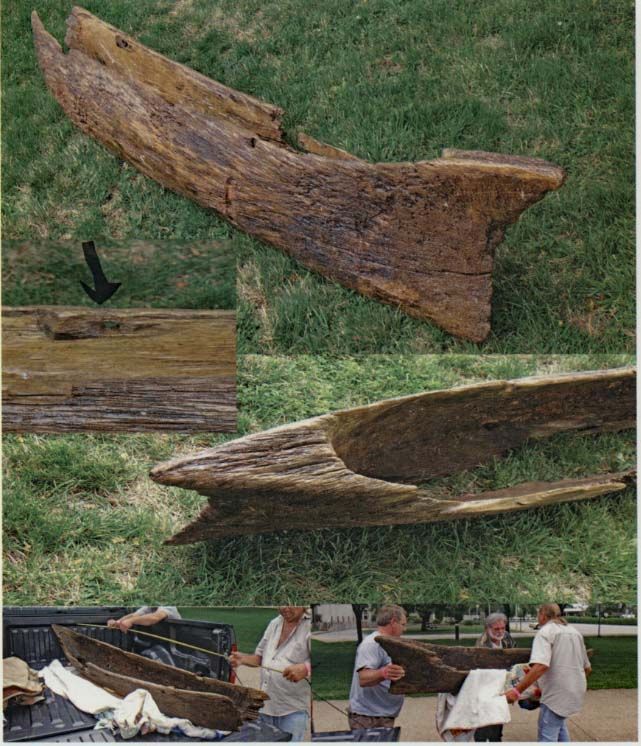
Learn about the rare dugout canoe found in the Ohio River. Contact us for artifact appraisal & preservation guidance.
By tkxkuugb-ca February 21, 2026
Learn more about the Paleo American Odyssey in these articles.
Show More