
Understanding the Intrusive Mound Pipe

Share this article

by Col. John F Berner

Originally Published in the  Central States Archaeological Journal,  Vol.57, No.3, pg.142

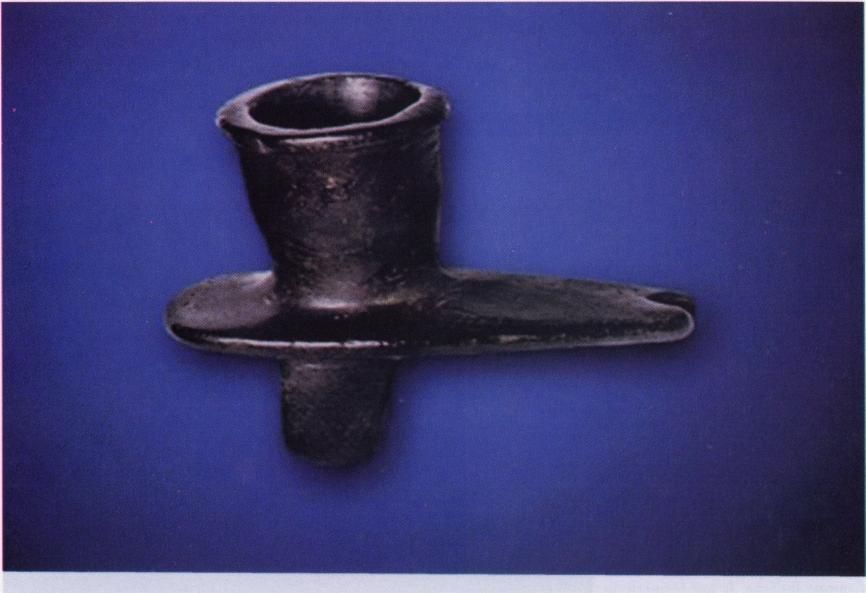
Above: Intrusive Mound pipe made from steatite. It measures 2 1/2″ in length and was found near Elizabethton in eastern Tennessee.  Photo: courtesy of JohnPafford.

This focus is on one of the briefest cultures of Prehistoric America. Scholars identify this period as the Intrusive Mound culture, which lasted a few hundred years from about 650 to 900 AD. It followed the demise of Hopewell and preceded the Mississippian phase in the ninth century. What we know of the Intrusive Mound people is mostly from their unique ar­tifacts and their trait of burial in prior existing Hopewell mounds. Squire & Davis, mid-1800 explorers, mention the discovery of intrusive burials within Hopewell edifices at Mound City, Chillicothe, Ohio.

These people were obviously acquainted with Hopewell, as they emulated a form of platform pipes that had only existed in those previous prehistoric times. Diagnostic arti­facts of this distinctive culture include antler/ bone harpoon projectiles, antler hafted Beaver tooth incisors, stone pick instruments of dior­ite or granite (whose application is yet uniden­tified), shell beads, trapezoidal slate pendants, and distinctive platform pipes such as the one shown above.

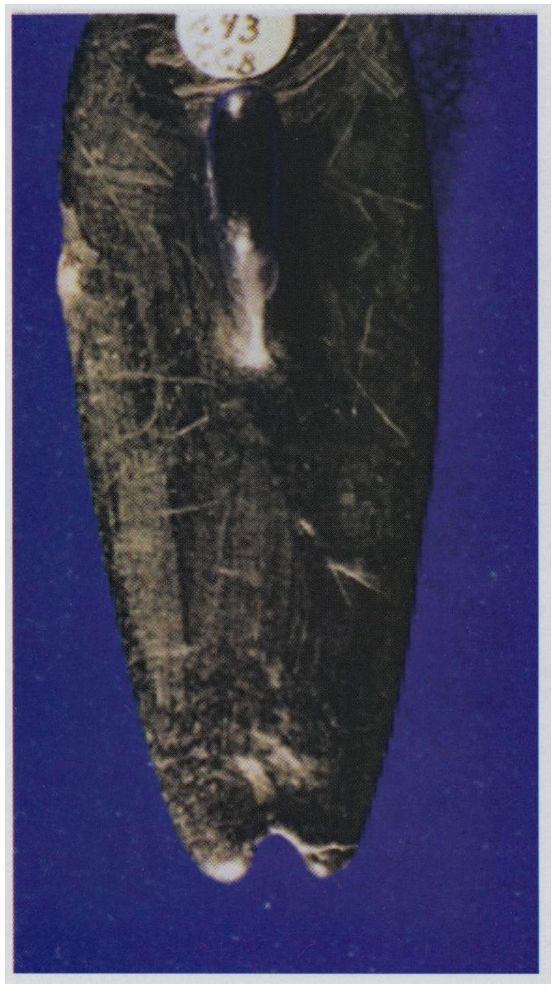
These platform pipes are “self pipes”, de­signed to be smoked without an additional stem. Most are made from a blackish green steatite, found in North Carolina. They feature a rimmed bowl which expands from the stem upward and is gouged to extreme thinness. Two distinct styles have been identified with Intrusive Mound. One an elbow type, the oth­er is the platform type with the bowl situated near the end of a thin ridged stem platform, often have a distinctive fin or handle below the bowl and platform. I speculate its purpose is to hold the instrument while smoking.

Similar to Hopewell platform pipes, the stem of Intrusive Mound pipes are bored about 1/8″ in diameter. This negates the use of a supple­mental stem. The platform also extends be­yond the bowl, for which I assume may be for appearance rather than utilitarian.

Students of prehistoric smoking pipes and their archaeological compatriots have long been puzzled by the strange and interesting work marks on the platforms and bowls of both Hopewell and Intrusive Mound artifacts. It has been suggested by some that these stria­tions appear as though they might have been made by modern abrading tools. Nothing could be further from the truth!

In 1959, Earl Townsend Jr., author of”B ird­stones of North America”, commissioned the Nicholson File Company to examine these marks, and they reported that they were in­consistent with their metal rasps.

Early explorers of Hopewell mounds re­ported finding the teeth and jaws of the Gar fish (indigenous to the Ohio River valley) among the burial furniture, and suggested that they could have been used to produce the work marks evident on these pipes.

Steatite selected for the unique Intrusive mound pipes is soft when first quarried. Sub­sequent smoking and later burial in the earth for hundreds of years produces a particular hardness.

Efforts by clandestine artisans over the past 150 years to recreate replicas have been a failure. The Elizbethton, Tennessee Intrusive Mound pipe is both unique and quite rare. In forty years of prehistoric pipe study and examination, I have seen but five authentic specimens, two of which were damaged and restored. This one has graced the collections of Byron Knoblock, Tommy Beutell and Eric Walters. Thank you for listening.

“Used by Permission of the Author”

To learn more about or to join the Central States Archaeological Society, click here:  http://www.csasi.org/  .

Recent Posts

By Kevin Jerome July 24, 2026
Explore the significance of Mississippian pottery trowels. Learn about their use in pottery-making & view our collection.
By tkxkuugb-ca June 29, 2026
Explore the Paleoindian Database for insights on Native American artifacts. Contact us for appraisals & collection support.
By tkxkuugb-ca May 16, 2026
Explore insights on Clovis tools & Scott Ashcraft's whistleblower case. Join the discussion on ethics in archaeology today!
By tkxkuugb-ca April 13, 2026
Learn about miniature Mississippian axe pendants' cultural significance. Contact us for appraisals & to buy authentic artifacts.
By Matt March 25, 2026
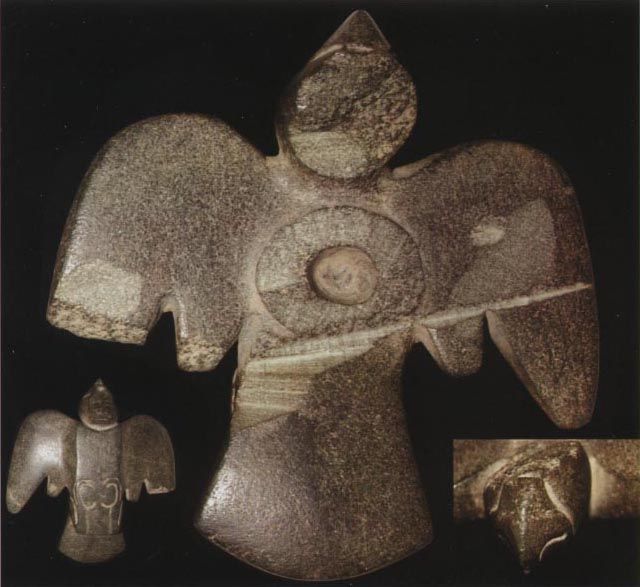
Explore the mystery of undrilled bird effigy pipes from TN. Learn about their significance & share your finds with us!
By tkxkuugb-ca March 20, 2026
Tune in to the Seven Ages Podcast to explore the Adena culture, Moundbuilders of the Ohio Valley. Join us for insights on Native American artifacts.
By Arrowheads March 20, 2026
Explore Gary Varient's passion for Native American artifacts. Join the community and share your collection today!
By Matt March 14, 2026
Learn to identify authentic arrowheads vs. reproductions. Consult experts for accurate appraisals and avoid costly mistakes.
By Matt March 3, 2026
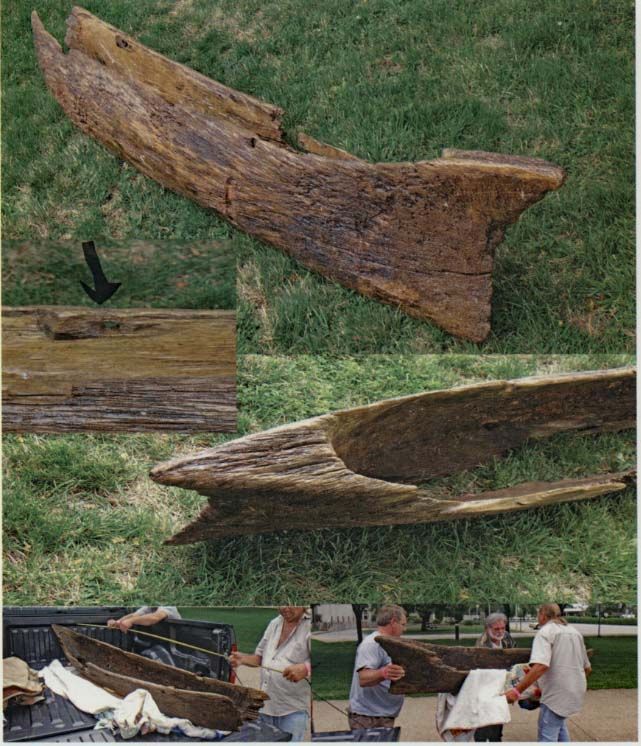
Learn about the rare dugout canoe found in the Ohio River. Contact us for artifact appraisal & preservation guidance.
By tkxkuugb-ca February 21, 2026
Learn more about the Paleo American Odyssey in these articles.
Show More