
Searching for evidence of authenticity

Share this article

by John F. Berner, EIC

Originally Published in the  Central States Archaeological Journal , Vol.53, No.2, pg.59

Let’s address this title in a little more depth. Several years ago a collector friend advised me that you could adver­tise artifacts as guaranteed “Authentic” and yet offer replicas! I queried his state­ment and he said all “authentic” means is just that! He went on to say that to correct the message should have said “authentic prehistoric North American artifacts!” But wouldn’t that be much of a mouth­ful?

So what to look for on “authentic ancient prehistoric North American arti­facts” is what we will proceed to discuss and talk about right now.

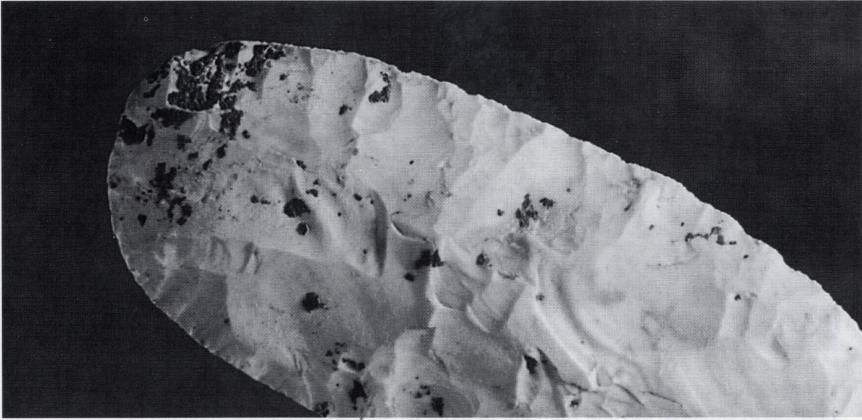
The flint biface below is a good exam­ple to start. It has “ferric oxide” deposits on the both faces. These minute deposits are result of minerals in the earth itself. After thousands of years having been buried in the soil, these particles which some experts describe as post deposition­al mineralization; subtly attach them­selves to the host projectile.

Real patination/mineralization cannot be easily removed. False patination which can simulate this chemical reac­tion can often be flicked off the host pro­jectile with a fingernail. Modern agers have occasionally removed ferric oxide deposits and reglued them to the surface of replicas. And under strong magnifica­tion the glue residue will show promi­nently as little shiny areas surrounding the deposits.

Who would have thought that some­one would go to such extremes just to make a more convincing argument on the authenticity of an artifact? But such tac­tics are not limited to artifact preserva­tion; coins, stamps, weapons and antique furniture have similar plagues.

This close-up photo shows us an example of heavily patinated Crescent chert found in St.Clair County, Illinois. Notice that many particles of the deposit feature halo type stains.

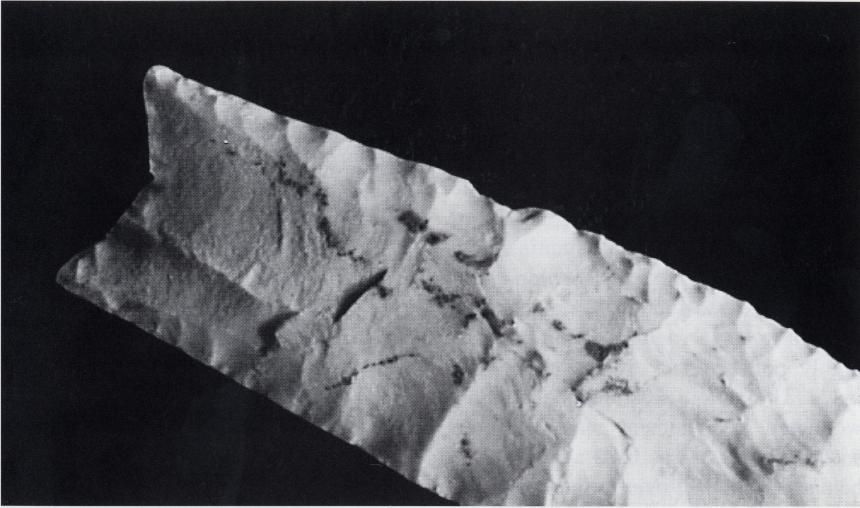
Not all forms of ferric oxide (oxide of iron, rust) result from the mineralization in the earth. Some deposits are from contact with farm tools. See the above example of Camden yellow/buff chert on this authentic Tennessee Clovis projectile.

As with everything collectible, mod­ern agers have sought ways to simulate nature’s work. While it was seldom seen as part of the equation of replicas/ fakes prior to the early 1970’s, purveyors of replicas realized quickly that serious col­lectors were talking about the difference of flint examples that revealed ferric oxide and mineralization that occurred on genuine/ authentic projectiles as opposed to modern lithics. Recognizing that with­out some trace evidence of antiquity, many investors turned down the modern items as respectable investments.

Enter something that looks like it! Some learned that any reasonable exam­ple could be enhanced simply by rubbing a mild steel bar across the high points; then let it age with a little time and defy the experts to tell the difference. Lucky for us, some rubbed too much iron traces and we know it is fake! Do you ever won­der about those super fine projectiles that are explained as tools lost by ancient makers? Over eons of time, some might have been lost, out of the hundred million produced? But not very often! Hunters depended on their projectile points to provide food for their families, so they probably were not very careless.

That raises the another point. Every legitimate authentic projectile shows some use and resharpening until it was exhausted and discarded.Those areas of rework will show patination and mineral­ization too as those areas have under­gone the same chemical and physical effects as the artifact itself. So without authentic ancient age and evidence of use and resharpening, we need to take a clos­er look at the vast offerings made avail­able to the collecting fraternity.

       “Used by Permission of the Author”

  •        To learn more about or to join the Central States Archaeological Society, click here:  http://www.csasi.org/  .

Recent Posts

By Kevin Jerome July 24, 2026
Explore the significance of Mississippian pottery trowels. Learn about their use in pottery-making & view our collection.
By tkxkuugb-ca June 29, 2026
Explore the Paleoindian Database for insights on Native American artifacts. Contact us for appraisals & collection support.
By tkxkuugb-ca May 16, 2026
Explore insights on Clovis tools & Scott Ashcraft's whistleblower case. Join the discussion on ethics in archaeology today!
By tkxkuugb-ca April 13, 2026
Learn about miniature Mississippian axe pendants' cultural significance. Contact us for appraisals & to buy authentic artifacts.
By Matt March 25, 2026
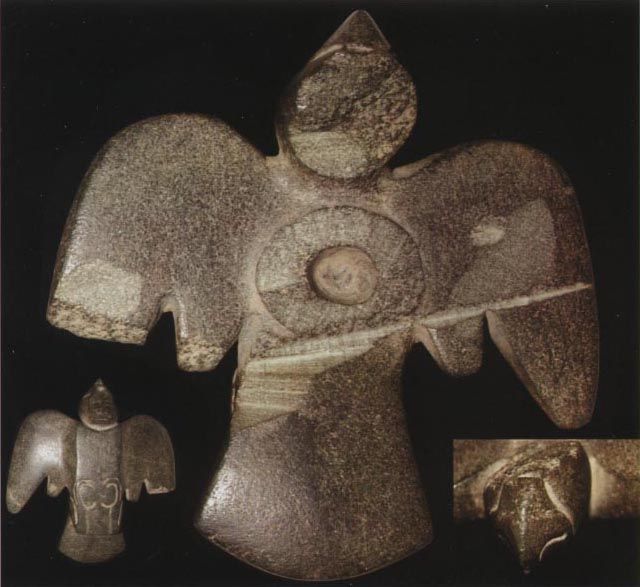
Explore the mystery of undrilled bird effigy pipes from TN. Learn about their significance & share your finds with us!
By tkxkuugb-ca March 20, 2026
Tune in to the Seven Ages Podcast to explore the Adena culture, Moundbuilders of the Ohio Valley. Join us for insights on Native American artifacts.
By Arrowheads March 20, 2026
Explore Gary Varient's passion for Native American artifacts. Join the community and share your collection today!
By Matt March 14, 2026
Learn to identify authentic arrowheads vs. reproductions. Consult experts for accurate appraisals and avoid costly mistakes.
By Matt March 3, 2026
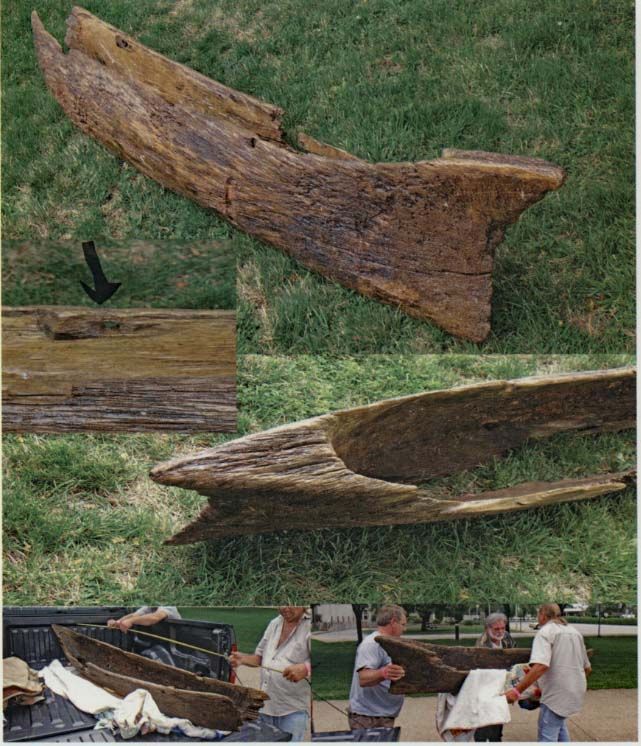
Learn about the rare dugout canoe found in the Ohio River. Contact us for artifact appraisal & preservation guidance.
By tkxkuugb-ca February 21, 2026
Learn more about the Paleo American Odyssey in these articles.
Show More