
Flint and Chert: A Chemical Form

Share this article

James Tharpe, Plainfield, Indiana

Flint is formed by chemical action on minerals that contain a compound of silicon and oxygen called silica. Water dissolves the silica out of the minerals to produce a substance that resembles opal. The water in the substance then filters out, forming flint.

Flint varies in color from brown to dark gray to black. It is a form of chalcedony that consists of tiny crystals of quartz with extremely small pores. In most cases, flint occurs as small nodu­lar balls or veins (tabular) embedded in such rock as chalk or limestone. Lighter colored deposits that occur as continuous layers are called chert.

Is flint also chert? Yes, flint could be consid­ered chert; however flint contains a higher qual­ity of chalcedony. Chert resembles flint; however chert consists of cryptocrystalline (having a crys­talline structure so fine that no distinct particles are recognizable under the microscope) quartz or fibrous chalcedony. The key definition of chert is “crystals that are fibrous” and flint is “crystals that are extremely small and porous.”

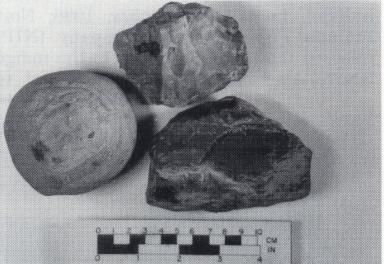
Nodule and core made from Harrison County flint found on an Indian camp site in 1965 by James Tharpe.

Other Minerals Used in place

of Flint and Chert

Chalcedony: A likeness to quartz that has the luster of wax and is variously colored, usually grayish or milky. It comprises onyx, agate, sard, jasper cat’s-eye, carnelian, and chrysoprase.

Sard: A very hard deep orange-red variety of chalcedony classed by a variety of carnelian.

Carnelian: A red variety of chalcedony, a hard tough chalcedony that has a reddish color.

Chrysoprase: A light green variety of chal­cedony sometimes used as a semiprecious stone.

Agate: A variety of chalcedony, with a fine-grained variegation of colors arranged in stripes and blended in clouded coloring or showing mosslike forms.

Crystal: A clear transparent quartz.

These examples of materials contain a crystal base, although they take on different character­istics. Their qualities, similar to a durable and fine grained flint, make them the most common­ly sought after stone needed in tool manufactur­ing.

Prehistoric man knew the quality a stone would produce during the manufacturing of a much-needed item and he quarried areas that produced the mineral. This mineral was traded for their much-needed items to other prehistoric settlers. A stone could be traded miles away from the original quarried location.

References

Webster’s Dictionary of the American Language, Chemical definition of flint and chert.

Field Guide provided at Wyandotte Cave, Flint formation.

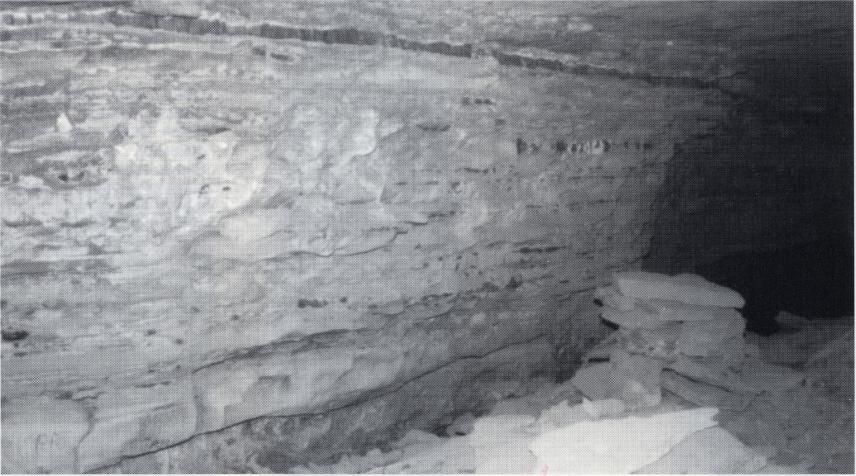
Wyandotte Cave showing veins of flint in the cave walls. Wyandotte flint is commonly known as Harrison County flint to artifact collectors.

The post Flint and Chert: A Chemical Form appeared first on Arrowheads.com.

Recent Posts

By Kevin Jerome July 24, 2026
Explore the significance of Mississippian pottery trowels. Learn about their use in pottery-making & view our collection.
By tkxkuugb-ca June 29, 2026
Explore the Paleoindian Database for insights on Native American artifacts. Contact us for appraisals & collection support.
By tkxkuugb-ca May 16, 2026
Explore insights on Clovis tools & Scott Ashcraft's whistleblower case. Join the discussion on ethics in archaeology today!
By tkxkuugb-ca April 13, 2026
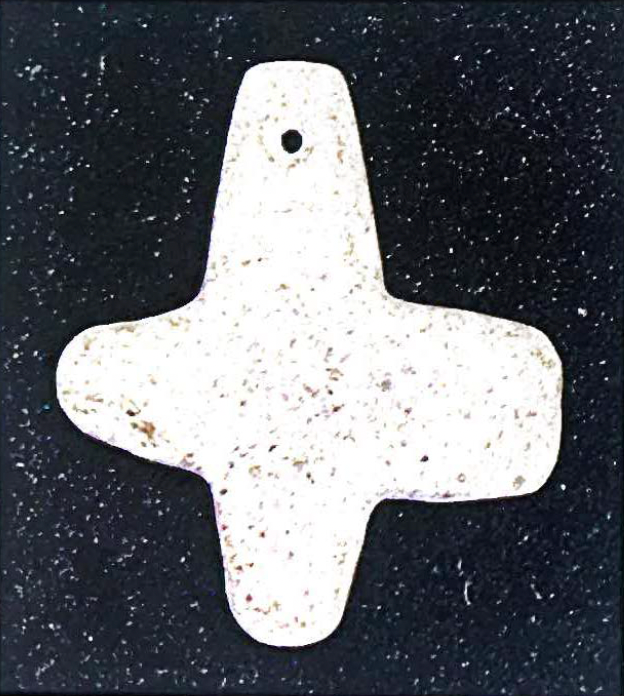
Learn about miniature Mississippian axe pendants' cultural significance. Contact us for appraisals & to buy authentic artifacts.
By Matt March 25, 2026
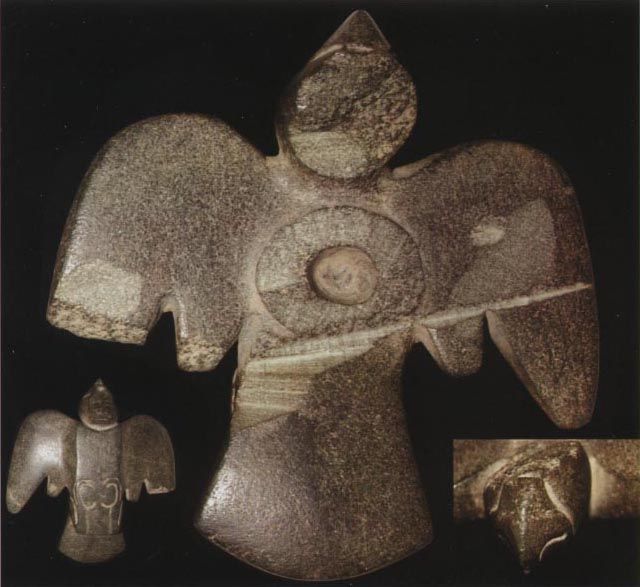
Explore the mystery of undrilled bird effigy pipes from TN. Learn about their significance & share your finds with us!
By tkxkuugb-ca March 20, 2026
Tune in to the Seven Ages Podcast to explore the Adena culture, Moundbuilders of the Ohio Valley. Join us for insights on Native American artifacts.
By Arrowheads March 20, 2026
Explore Gary Varient's passion for Native American artifacts. Join the community and share your collection today!
By Matt March 14, 2026
Learn to identify authentic arrowheads vs. reproductions. Consult experts for accurate appraisals and avoid costly mistakes.
By Matt March 3, 2026
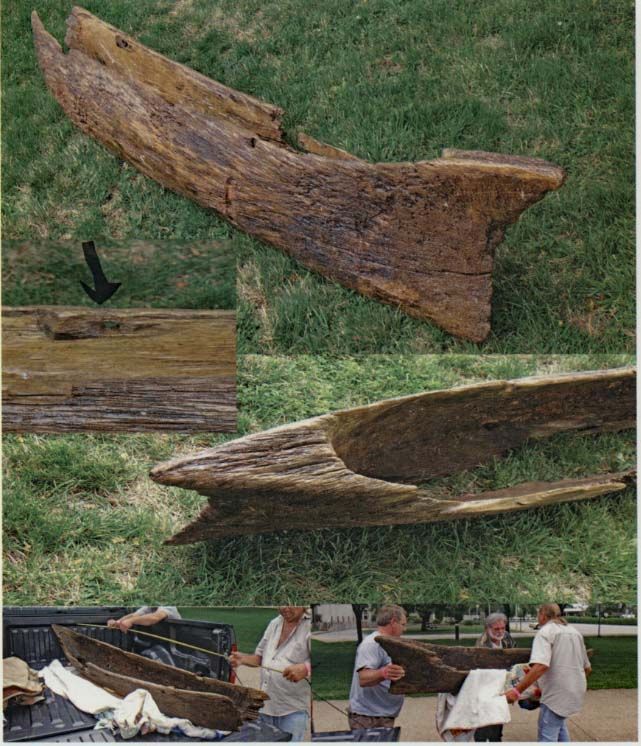
Learn about the rare dugout canoe found in the Ohio River. Contact us for artifact appraisal & preservation guidance.
By tkxkuugb-ca February 21, 2026
Learn more about the Paleo American Odyssey in these articles.
Show More