
A Theory on the Usage of Bird Points

Share this article

by Mike Roper, Trussville, Alabama

Originally Published in the Central States Archaeological Journal, Vol.56, No.2, pg.94

I have collected artifacts in the surround­ing counties of Trussville, Alabama for the past fifty years. I have found many of the small projectiles that are commonly known as “bird points.” Over the years I have developed a personal theory of how they were used.

Wherever we find them in Alabama we usually find more than just one. In some areas on the Coosa River, we have literally found hundreds. It is my opinion these points were actually used to kill birds when they were roosting. An example of such a bird would be the Passenger Pigeon, which were known to number in the millions in the mid 19th Cen­tury. History records that at one time flocks of these birds were so numerous they blocked the sun.

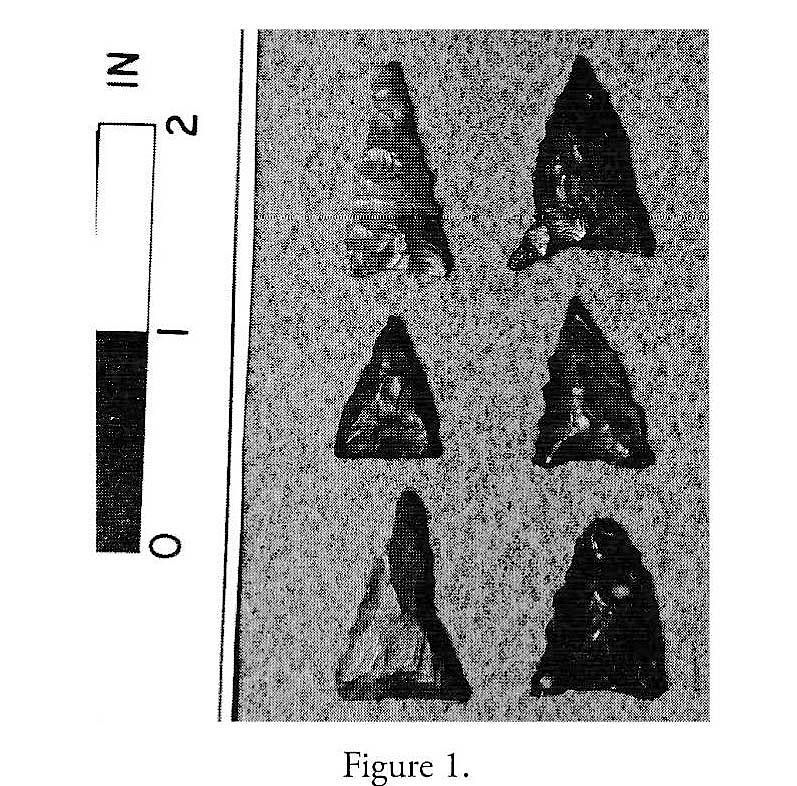
Hamilton and Madison points are late Mississippian projectiles that are known to be from the period when these birds were numerous (Figure 1.).

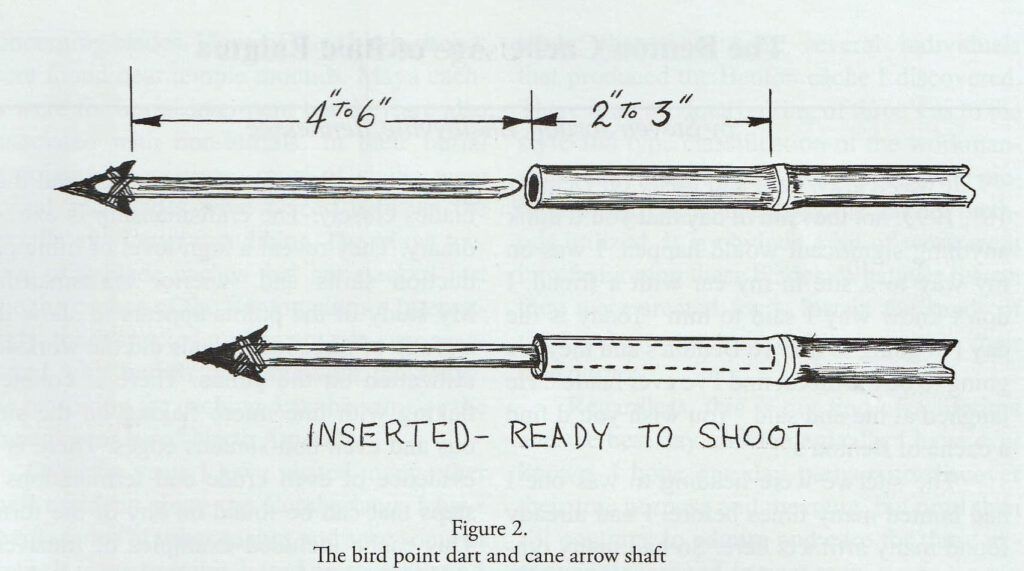
In the De Soto chron­icles, there is mention that the Indians in the Alabama area utilized the small river cane for their arrows. This river cane is plenti­ful even today. If these “bird points” were mounted on a very small shaft, they could be inserted into the hollow cane  arrow shaft  ( Figure 2.). Then, if a cut were made sev­ eral inches above the joint, this would allow the point with its small shaft to be inserted. It would bottom out on the joint below. If the bird point was mounted on a shaft six inches long this would allow it to extend out of the  arrow shaft  about three inches. These finished “darts” could then be shot into the roosting flock of birds. They would penetrate into the bird and the shaft to fall back to the ground. Then another dart could be placed into the end and then shot. This process could be repeated again and again with the hunter needing just a few arrows and a handful of darts.

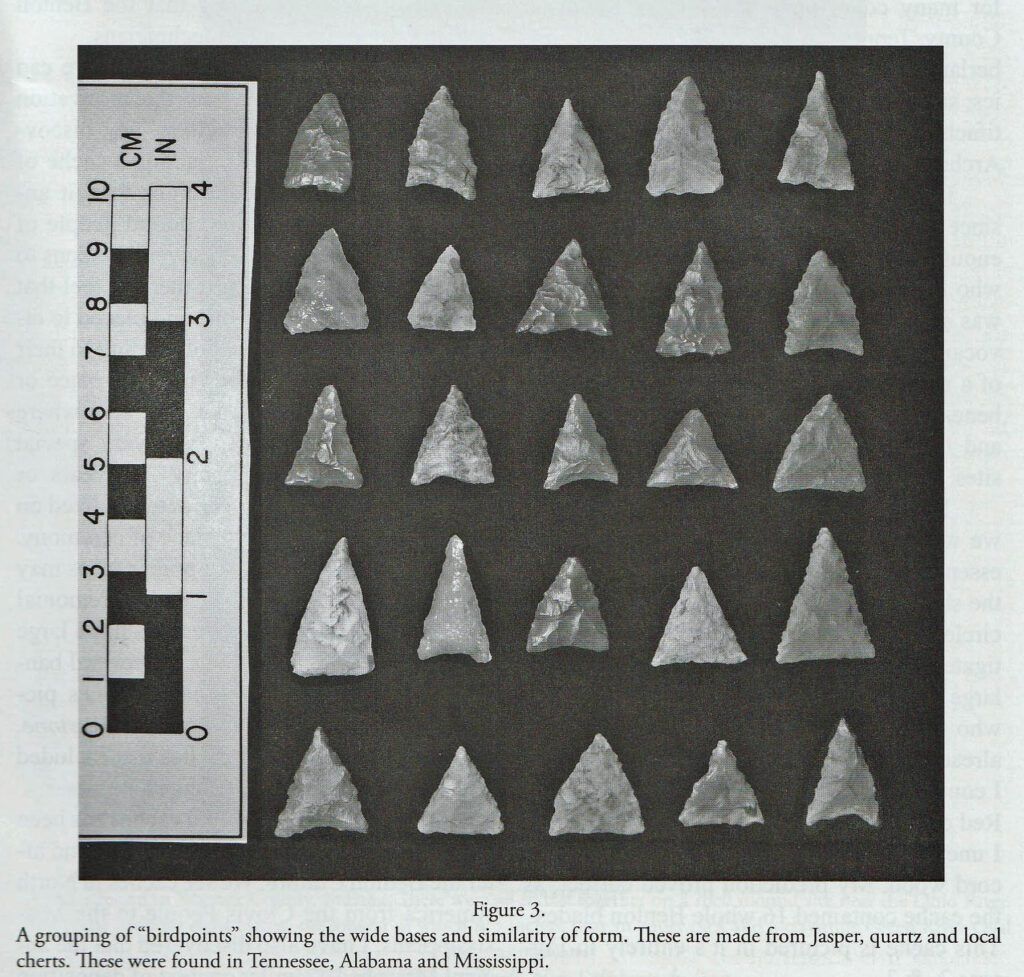
These points, with their wide bases would not be practical to be utilized as “breath-blown” darts shot from a blowgun (Figure 3.). Additionally, it would also be difficult to blow them fifty or sixty feet into the air with enough force to kill a bird the size of a pigeon. I have made several working models as shown in the drawing ( Figure 2.) with great success.

Today, the massive flocks of birds are gone, the Passenger Pigeon extinct and the popula­tions of many other species greatly diminished from what they were five hundred years ago. The Indians would have utilized these most convenient food sources, and most certainly would have had a practical way to hunt them.

To learn more about or to join the Central States Archaeological Society, click here: CSASI.org

Recent Posts

By Kevin Jerome July 24, 2026
Explore the significance of Mississippian pottery trowels. Learn about their use in pottery-making & view our collection.
By tkxkuugb-ca June 29, 2026
Explore the Paleoindian Database for insights on Native American artifacts. Contact us for appraisals & collection support.
By tkxkuugb-ca May 16, 2026
Explore insights on Clovis tools & Scott Ashcraft's whistleblower case. Join the discussion on ethics in archaeology today!
By tkxkuugb-ca April 13, 2026
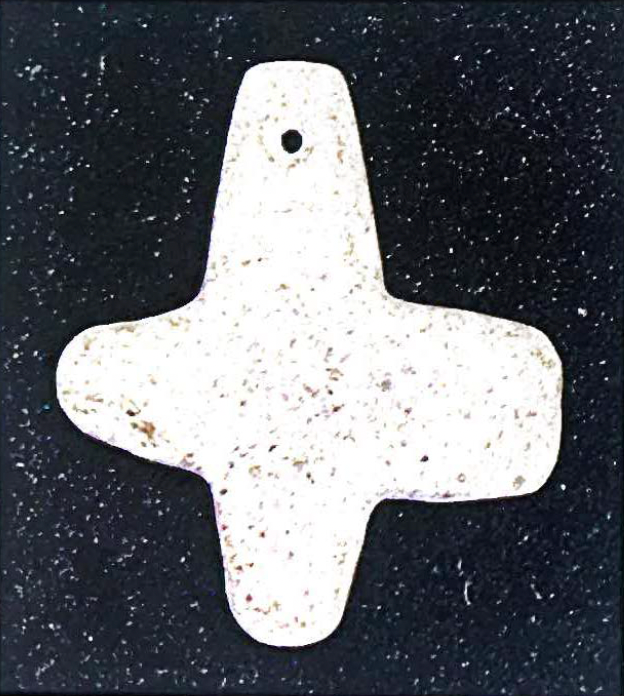
Learn about miniature Mississippian axe pendants' cultural significance. Contact us for appraisals & to buy authentic artifacts.
By Matt March 25, 2026
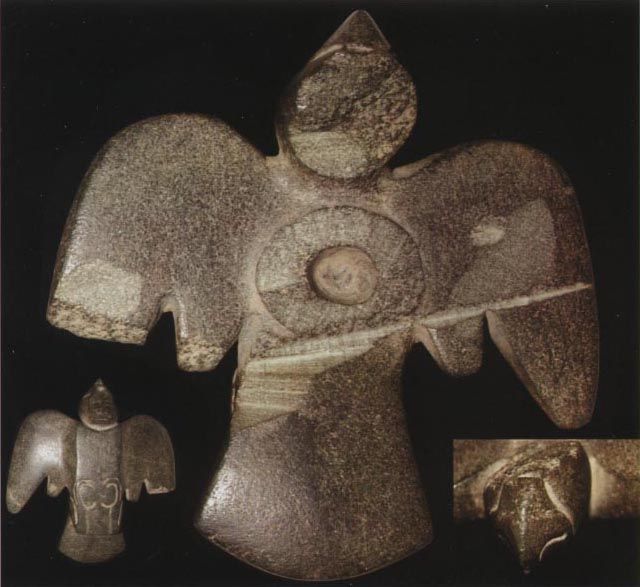
Explore the mystery of undrilled bird effigy pipes from TN. Learn about their significance & share your finds with us!
By tkxkuugb-ca March 20, 2026
Tune in to the Seven Ages Podcast to explore the Adena culture, Moundbuilders of the Ohio Valley. Join us for insights on Native American artifacts.
By Arrowheads March 20, 2026
Explore Gary Varient's passion for Native American artifacts. Join the community and share your collection today!
By Matt March 14, 2026
Learn to identify authentic arrowheads vs. reproductions. Consult experts for accurate appraisals and avoid costly mistakes.
By Matt March 3, 2026
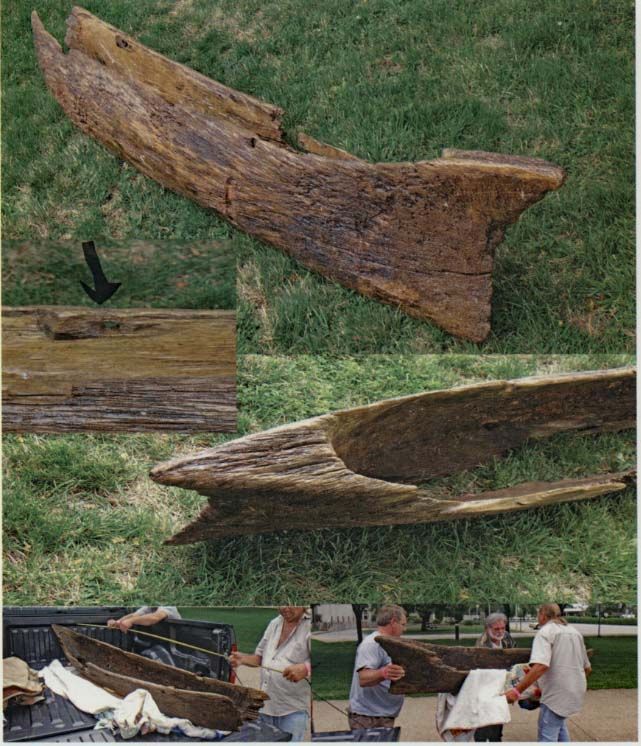
Learn about the rare dugout canoe found in the Ohio River. Contact us for artifact appraisal & preservation guidance.
By tkxkuugb-ca February 21, 2026
Learn more about the Paleo American Odyssey in these articles.
Show More