
A Large Hopewell Copper Celt

Share this article

by Billy Ford, Spencerville, Ohio

Originally Published in the Central States Archaeological Journal, Vol.56, No.4, pg.200

Originally Published in the Central States Archaeological Journal, Vol.57, No.3, pg.134

More than eighty years ago, Henry Shetrone excavated the famous Seip Mound in Bainbridge, Ohio. This huge mound, measuring 240 feet long, 130 feet wide and 30 feet high, was one of the largest mounds built by the Hopewell people. It was at the center of an semi-circular earthen en­closure.

Henry Shetrone led the team organized by The Ohio Historical Society. The excavations went on from 1925 until 1928, uncovering literally hun­dreds of artifacts. Some of these amazing artifacts can be seen today at The Hopewell Cultural Na­tional Historic Site. However, one piece remained in private hands after the excavations.

In 1926, during the excavations, a trench in the center of the mound suddenly collapsed. Two of the workers were trapped within the trench. Fever­ishly the other workers attempted to free them, and they were transported to the hospital.

One of them, Florence S. Barrett, had very serious injuries. It was feared she would not live. Luck was on her side, and though she lived with pain the rest of her life, the paralysis the doctors feared did not occur.

Henry Shetrone visited her at the hospital. Feel­ing terribly sorry for the pain she was enduring, he presented her with several artifacts from the mound, including a wonderful copper axe.

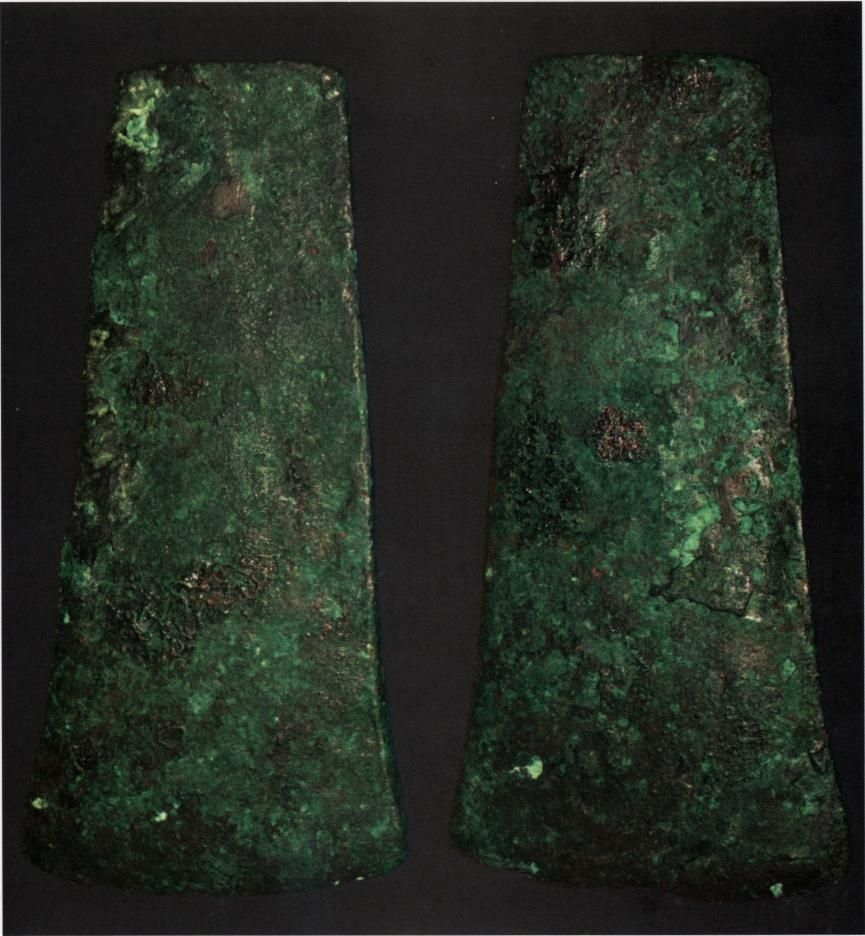
Through the years, though she remained inter­ested in archaeology, she never fully recovered from her injuries. The axe and other artifacts she collected were eventually sold at auction, with this axe being acquired by MaxShipley. It changed hands though the years and eventually ended up with its present owner, who acquired it too at an auction.

Interestingly, Florence Barrett was also a pho­tographer, and several of her photographs were used in Shetrone’s book on the excavations.

Above: Both sides of the Hopewell copper celt from Seip Mound. It is 5 3/8 inches long, 2’/2 inches wide at the bit and just over 3/8 of an inch thick. Seip Mound is in Ross County, Ohio.”Used by Permission of the Author”
To learn more about or to join the Central States Archaeological Society, click here: CSASI.org

The post A Large Hopewell Copper Celt appeared first on Arrowheads.com.

Recent Posts

By Kevin Jerome July 24, 2026
Explore the significance of Mississippian pottery trowels. Learn about their use in pottery-making & view our collection.
By tkxkuugb-ca June 29, 2026
Explore the Paleoindian Database for insights on Native American artifacts. Contact us for appraisals & collection support.
By tkxkuugb-ca May 16, 2026
Explore insights on Clovis tools & Scott Ashcraft's whistleblower case. Join the discussion on ethics in archaeology today!
By tkxkuugb-ca April 13, 2026
Learn about miniature Mississippian axe pendants' cultural significance. Contact us for appraisals & to buy authentic artifacts.
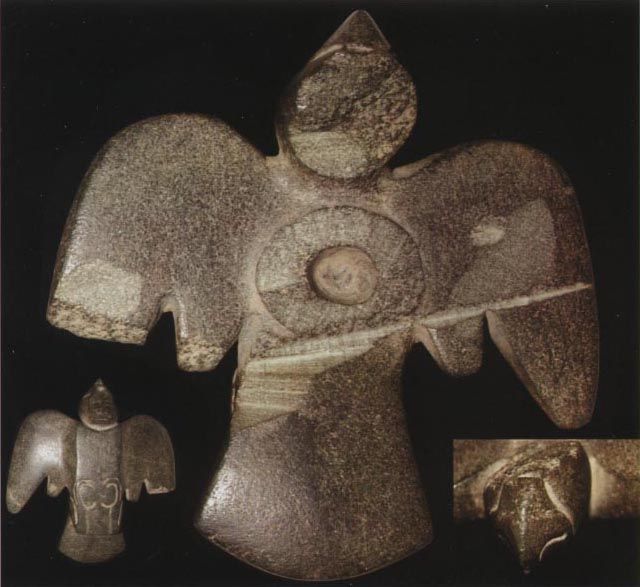
By Matt March 25, 2026
Explore the mystery of undrilled bird effigy pipes from TN. Learn about their significance & share your finds with us!
By tkxkuugb-ca March 20, 2026
Tune in to the Seven Ages Podcast to explore the Adena culture, Moundbuilders of the Ohio Valley. Join us for insights on Native American artifacts.
By Arrowheads March 20, 2026
Explore Gary Varient's passion for Native American artifacts. Join the community and share your collection today!
By Matt March 14, 2026
Learn to identify authentic arrowheads vs. reproductions. Consult experts for accurate appraisals and avoid costly mistakes.
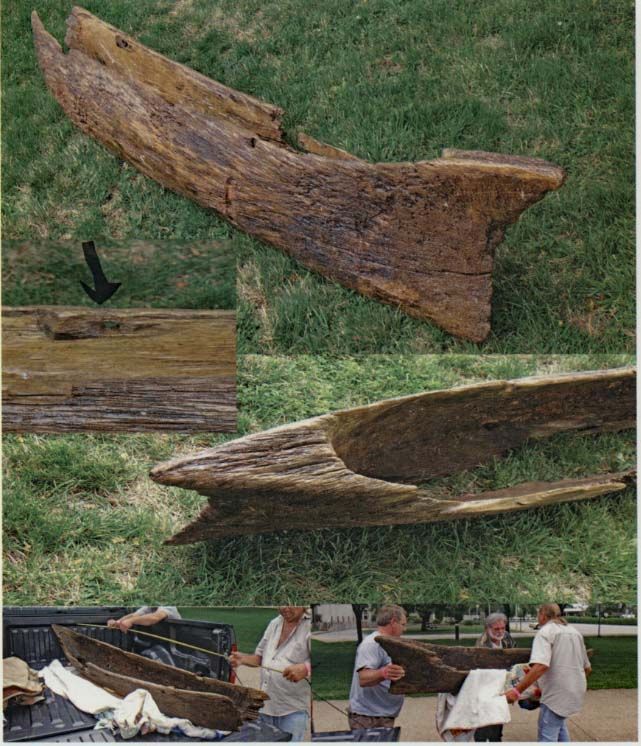
By Matt March 3, 2026
Learn about the rare dugout canoe found in the Ohio River. Contact us for artifact appraisal & preservation guidance.
By tkxkuugb-ca February 21, 2026
Learn more about the Paleo American Odyssey in these articles.
Show More